
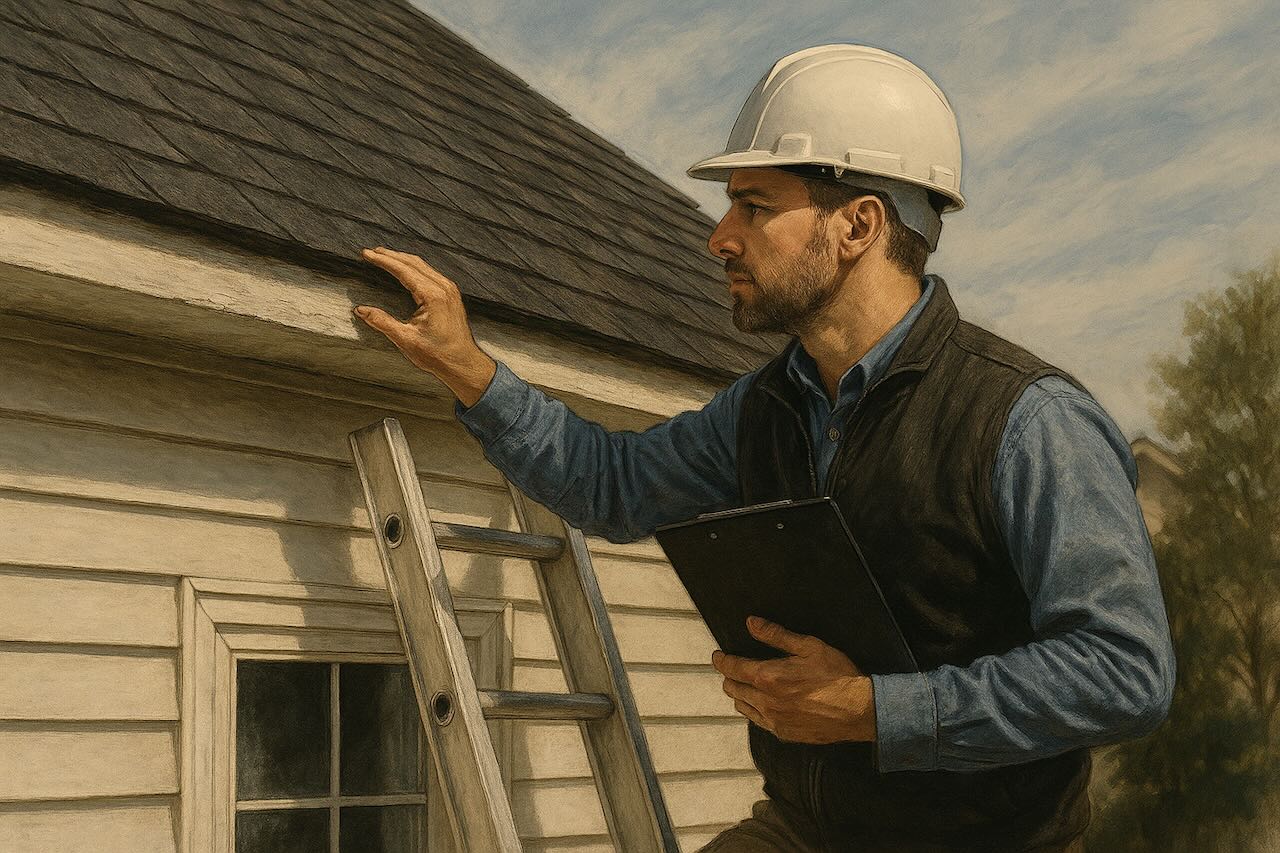
The Changing Shape of Middle Tennessee Home Inspections
If you haven’t had a home inspected in a while, you might still picture a guy with a flashlight, a ladder, and a three-page checklist. That world’s mostly gone. Today’s home inspections are built on formal national standards and, more and more, on some very 21st-century tech.
Let me translate what that actually means in real-world English.
The home inspector’s rule book
In most states, home inspectors must obtain a state license–this after completing rigorous training course. For example, Tennessee home inspectors are licensed by the Tennessee Department of Commerce and Insurance. Once licensed, home inspectors must follow a Standards of Practice (SOPs)–a rulebook guiding how they complete inspections and what those inspections must include.
Most inspectors build their process on the SOPs from well-respected organizations:
Highland Rim Inspections relies on InterNACHI’s SOP, which defines a general home inspection as a non-invasive, visual examination of the home’s accessible areas, focused on finding material defects—problems that can affect value or safety. InterNACHI’s SOP takes the home inspector through your house, system by system to inspect:
- Roof and Attic
- Insulation throughout the home
- Heating and cooling systems
- Exterior structure
- Basements, foundations, and crawlspaces
- Electrical service
- Fireplaces
- Major appliances
- Plumbing
- Doors and windows
In each system, a home inspector follows a checklist of items to examine. For example, in the check of a bathroom, the home inspector verifies function of all plumbing fixtures–the sink and drain, the tub and shower, operability of vent fans and windows, and the condition of walls, floors, and tub enclosures. They check the pipes under the sink to make sure they aren’t leaking. They test the electrical plug for safety features.
Whether following InterNACHI, ASHI, or a SOP developed by a particular state, the net result of these processes is the same: your home inspector is bound by a set of rules that protects you and ensures you get the best information possible.
State rules: the local layer on top
On top of InterNACHI or ASHI, each state can set its own licensing rules. Those change, too.
Here in Tennessee, for example, the Home Inspector Licensing Program rules were revised in 2024. The updated rules implement the Tennessee Home Inspector License Act, refine training and education expectations, and clarify how inspectors qualify for and maintain their licenses. (If ever you can’t sleep one night, you can dig into the rules here.)
Around the country, the general trend is the same. States are tightening standards and clarifying what inspectors have to do, not loosening them.
Technology: the home inspector’s companion
Another titanic shift in home inspections is the deployment of technology in the field. Just fifteen years ago, most home inspectors still issued a handwritten report, sometimes two or three days after performing an inspection. That’s almost never true anymore. A modern inspection might still start with a ladder and a flashlight, but it certainly doesn’t end there.
Portable computers, tablets, and smartphones have fundamentally altered how most inspectors perform inspections. Highland Rim Inspections uses smartphones and laptops to complete reports on-site and present the report to the client during a walkthrough following the inspection. This gives us the ability to show you the defects and maintenance issues you might be facing.
So far, AI hasn’t made a big impact in home inspections, but you can bet it’s coming.
What this all means for you
Put it together, and the “current state” of home inspections looks like this:
- More standardized. National SOPs plus state rules mean less guesswork about what gets inspected.
- More documented. Expect more photos, clearer condition descriptions, and better explanations.
- More tech-enabled. Drones, infrared, and smarter software are increasingly normal, not exotic add-ons.
Underneath all of that, though, one thing hasn’t changed: you’re still hiring a person, not just a checklist. The tools and the standards are there to help—but judgment, experience, and clear communication are still what make an inspection worth reading.