

Inspecting Home Exteriors
When people think about a home inspection, they often imagine the inspector starting inside and working outward. In reality, the exterior does a great deal of the talking. According to InterNACHI, the exterior inspection isn’t about curb appeal or aesthetics. It’s about understanding how the house sheds water, resists gravity, and survives weather. Day after day, year after year, your home’s exterior is its single-hardest working component. Here are the main areas home inspectors will check when examining a house’s exterior.
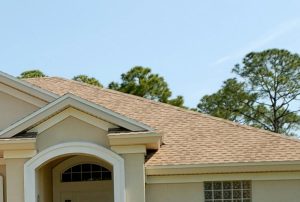 The Roof, Gutters, Eaves, and More
The roof is the obvious starting point, but not because inspectors are hunting for perfection. Roofing materials are evaluated for age, condition, installation defects, and visible damage. Missing shingles, deteriorated flashing, or improper penetrations matter because they are predictable failure points. The roof doesn’t have to be new. It does need to be doing its job.
From there, attention shifts downward. Gutters and downspouts are deceptively important. InterNACHI emphasizes that managing roof runoff is one of the simplest ways to protect a structure. Loose gutters, short downspouts, or sections pitched the wrong direction aren’t dramatic findings, but they are often the quiet beginning of much larger problems.
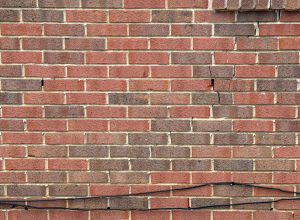 Exterior Walls
Exterior walls come next. By now, your home inspector is walking up the sidewalk, checking out the overall condition of the building. They’ll examine siding, brick, stucco, and trim for cracking, decay, gaps, and improper clearances. Remember, these materials are less about decoration than defense. They’re designed specifically to keep things that belong outside out and inside in.
Your home inspector has a keen eye for hints of problems. They’ll check for signs of water intrusion, for weepholes, and for any visible indications of settlement or other structural defects. They’ll also correlate their observations on the exterior with those on the home’s interior, as well.
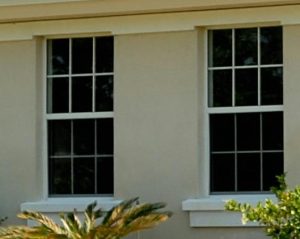 Windows and Doors
When water or pests find a way in, they usually come in through windows. Home inspectors check your windows for evidence of moisture intrusion, poor detailing like missing caulk, or certain types of materials installed where they don’t belong. You might be surprised the number of times home inspectors will find bare wood shims exposed to wind and rain.
Windows and doors get a similarly practical evaluation. The concern isn’t whether they slide beautifully or match the décor. It’s whether they’re properly flashed, sealed, and functional. Failed seals, rotted frames, and missing drip caps tend to announce themselves long before they cause interior damage—if someone is paying attention.
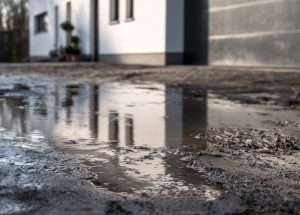 Drainage, Decks, and More…
Finally, the inspector considers grading, drainage, and exterior components like decks, porches, railings, and steps. InterNACHI standards focus on safety and structure. Loose handrails, improper ledger attachments, or soil sloping toward the foundation aren’t cosmetic issues. They’re physics problems.
An exterior inspection isn’t about finding fault. It’s about understanding how the house interacts with the environment. Most of what matters happens outside, whether we notice it or not.