
Inspecting Home Interiors
Interior spaces carry expectations for homebuyers. They want attractive, clean, perfect displays of quality finishes and stylish elements. They want their home interior to look like something out of Architectural Digest. But…
People live here. They notice flaws here. Under the Standards of Practice published by InterNACHI, an interior inspection does not concern itself with style or finish quality. It focuses on condition, function, and the quiet evidence left behind by time, movement, and moisture. Floors, walls, ceilings, and built-ins all tell parts of the same story. A good inspector knows how to read them.
Floors usually speak first. Inspectors walk every accessible surface deliberately, paying attention to deflection, uneven transitions, cracked tiles, loose boards, and areas that feel soft underfoot. Flooring problems rarely exist alone. Cupped hardwood, separated tile, or sagging sections often point toward moisture intrusion, structural movement, or long-term neglect. Normal wear looks different than conditions that affect safety or performance, and inspectors make that distinction clearly.
Walls and ceilings reveal patterns that matter. Inspectors examine them closely for cracks, stains, bulging surfaces, or evidence of past repairs. Hairline cracks often reflect routine settling. Wider cracks, irregular patterns, or repeating stains suggest different concerns. Ceiling stains below bathrooms, kitchens, or roof penetrations demand attention, even when dry at the time of inspection. Inspectors document what they see and note relationships between interior and exterior conditions without guessing at causes.
Doors and windows require hands-on evaluation. Inspectors open and close them, check alignment, test latches and locks, and observe how frames sit within openings. Doors that bind, windows that refuse to stay open, or frames pulled out of square may reflect simple wear—or movement elsewhere in the structure. Interior trim often exposes problems before the opening itself does, especially when moisture has played a role.
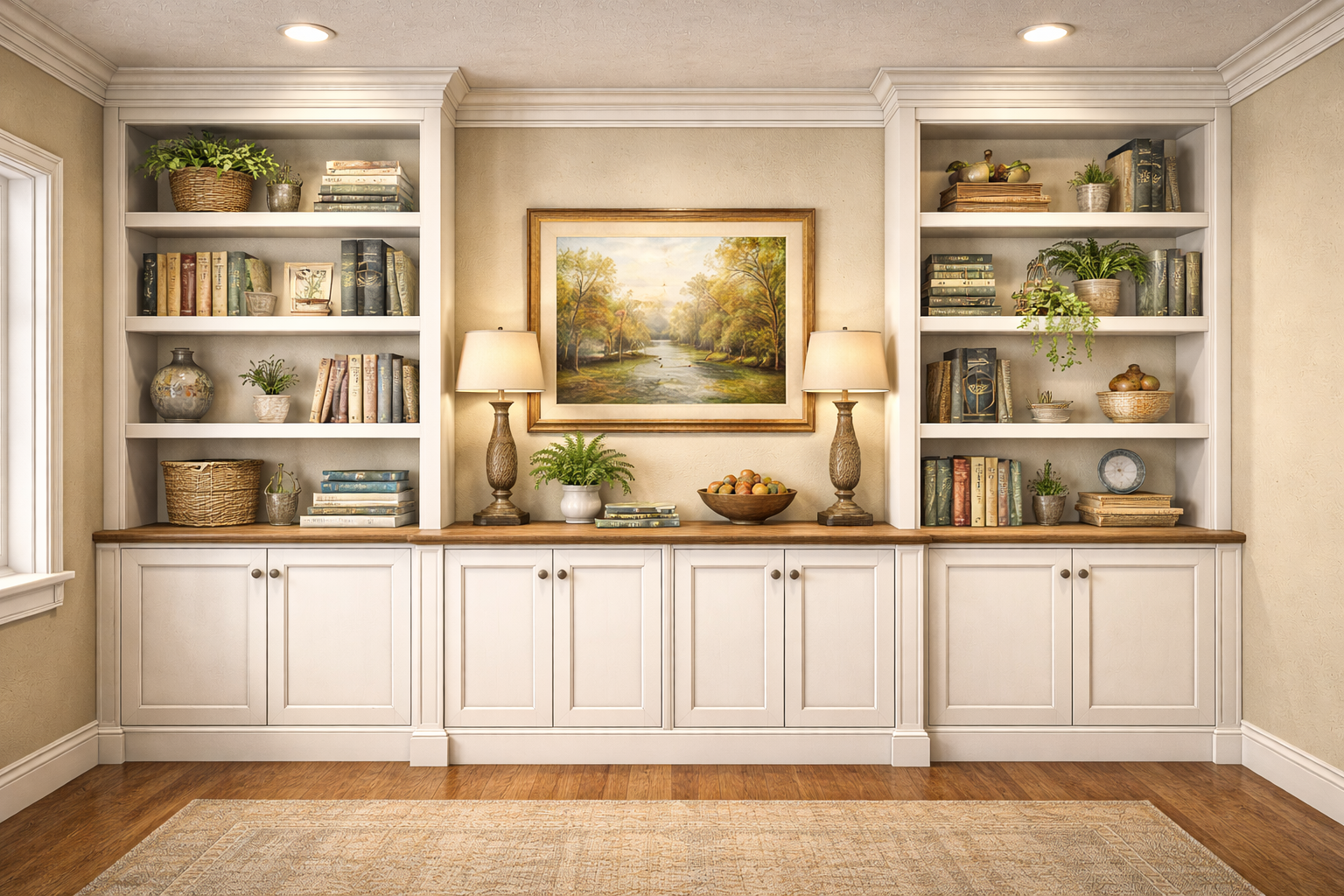
Cabinets and countertops receive a practical review. Inspectors open representative doors and drawers, test hardware, and check mounting security. Areas beneath sinks get particular scrutiny. Swollen cabinet bases, delaminated materials, rusted fasteners, or staining often indicate long-term moisture exposure rather than a single event.
Stairs, railings, and guards leave no room for interpretation. Inspectors check handrails for security, verify guard presence, and note uneven riser heights or missing components. These conditions increase fall risk. They require correction, not debate.
Interior inspections do not chase perfection. Houses show wear because people use them. A proper inspection separates ordinary aging from conditions that affect safety, function, or habitability. Interiors rarely announce problems loudly. They reveal them quietly—to inspectors who pay attention.