
Four Reasons Your Inspector Didn’t Crawl the Crawlspace
There’s a moment during many inspections when someone asks, usually casually, “Did you go under the house?” It sounds like a yes-or-no question. Under InterNACHI Standards of Practice, it isn’t.
Crawlspaces are optional, conditional environments. Inspectors don’t treat them as rites of passage or tests of grit. InterNACHI sets clear boundaries around when entry makes sense and when it doesn’t, and those boundaries exist for practical reasons, not convenience.
1. Insufficient Clearance—Especially Beneath Ductwork
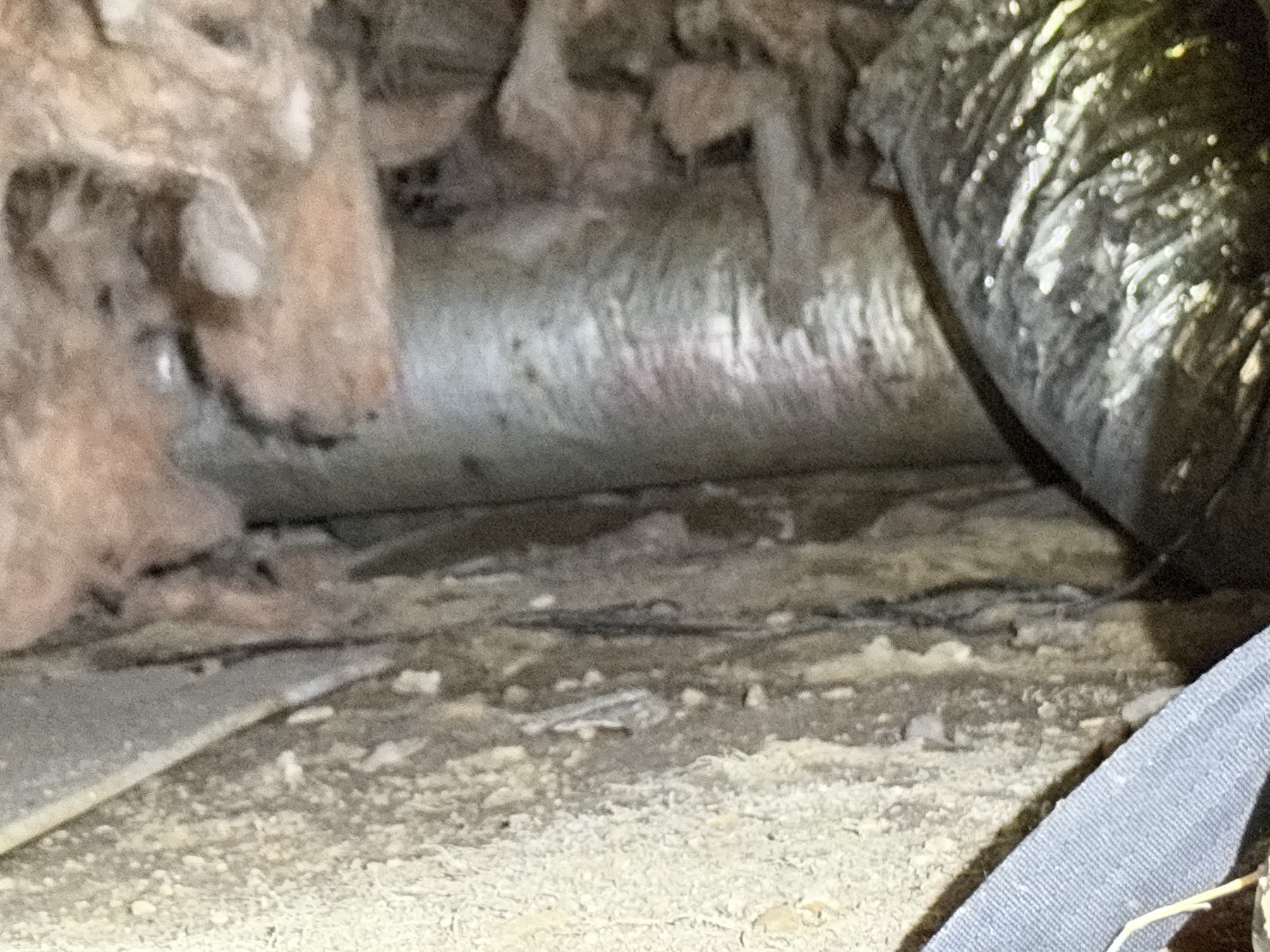
Clearance comes first. InterNACHI requires sufficient access and clearance to safely enter and move through a crawlspace. That requirement applies not just to overall height, but to obstructions beneath the home. Low-hanging ductwork often becomes the limiting factor. If HVAC ducts reduce clearance to the point where an inspector would need to compress, crawl over sharp metal, or force their body through tight gaps, the standard says stop. Ducts don’t flex. Inspectors shouldn’t either.
Across Middle Tennessee, this is a very common obstacle, by the way. That’s because package units are a popular heating and cooling solution, particularly for homes with peer-and-beam construction. HVAC contractors run the main trunk duct under the house — usually between 20 and 24 inches in diameter — and that eats up the crawlspace clearance. Your home inspector will note this as a defect, specifically because they can’t see what’s on the other side of it.
2. Standing Water or Saturated Conditions
Water changes the equation quickly. Standing water, saturated soil, or evidence of ongoing drainage issues create both safety hazards and unreliable inspection conditions. Crawlspaces flood—sometimes seasonally, sometimes unexpectedly. InterNACHI does not require inspectors to enter spaces where water obscures surfaces, conceals hazards, or increases the risk of electrical contact or entrapment. An inspector documents the limitation and moves on.
3. Structural or Environmental Hazards
Structural and environmental hazards matter just as much. Low-hanging nails, damaged framing, unstable piers, or compromised floor systems turn a crawlspace from inspectable into unsafe. Add poor air quality, suspected mold growth, sewage odors, or pest infestations, and the decision becomes straightforward. Inspectors don’t risk injury or exposure to prove thoroughness.
4. Inadequate or Blocked Access
Access itself can be the limiting factor. A blocked hatch, a sealed opening, or an access point too small to allow safe entry counts as a legitimate restriction. InterNACHI does not expect inspectors to cut openings, dismantle structures, or force access where none reasonably exists.
Don’t Panic! The Inspector Still Did Their Job!
None of this means the crawlspace gets ignored. Inspectors still observe from the access point, document visible conditions, note limitations, and recommend further evaluation when warranted. The goal is accurate reporting, not physical endurance.
A home inspection isn’t a spelunking expedition. It’s a professional evaluation conducted within defined limits. When an inspector doesn’t crawl a crawlspace, it’s usually because the standards say they shouldn’t—and because doing otherwise wouldn’t make the inspection better, only riskier.