
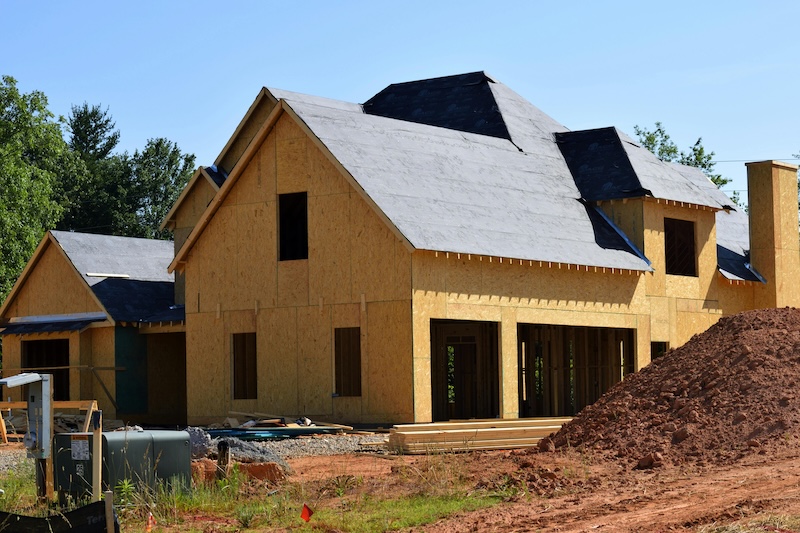
New Homes Need a Home Inspection, Too
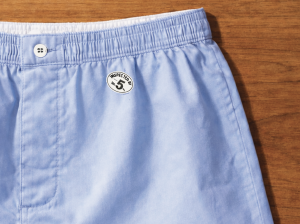
Think about the last time you bought underwear. Every single pair had that little “Inspected by No. 5” sticker somewhere. Why on earth are new underwear inspected? Weren’t they just made? Getting a home inspection for new construction feels a lot like that sticker. It may seem unnecessary, but that’s just how it seems.
Nevertheless, buyers of newly constructed homes end up spending a lot more money and enduring more than a little heartache because they make two of the most expensive assumptions a buyer can make:
- Homebuilders know and follow building codes
- Code inspectors find everything
These are fair assumptions, but you know what they say when you assume something, right? “When you assume, you make that giant whooshing sound of cash flying from your checking account.”
Highland Rim Inspections isn’t anti-builder or anti-code inspection. In fact, we’re quite supportive of both. However, avoiding these assumptions can help you save money and possibly improve your home buying experience. Let’s take them one at a time.
Assumption 1: I’m protected because homebuilders know and follow building codes
Over the course of his career, Highland Rim’s Michael DeVault has examined hundreds of newly constructed homes. All but one of those homes contained some deficiency or defect that needed addressing, from disconnected garbage disposal lines to toilets that wouldn’t flush. All but one. The only perfect new home he found was built in Monroe, Louisiana by Alex Hayward. Out of some 3,000 homes, only one had no deficiencies or defects. This is so rare that, upon completing the inspection, Michael called Mr. Hayward to congratulate him on a spectacular home.
Even great contractors miss things
While it is true homebuilders know and follow building codes, that doesn’t mean you have adequate protection from problems in that shiny new house. Building codes don’t cover whether or not the dishwasher operates, the refrigerator water supply line was tightened appropriately, or the oven’s electronic pilot fires when it needs to. Homebuilders don’t always check the systems installed after the last nail is driven, the last coat of paint dries. And this can prove costly, as many of the items that don’t get checked aren’t covered by whatever warranties your homebuilder provides. You could find yourself replacing that shiny new wood floor because of a poorly seated toilet or buying a new TV because of a faulty outlet.
Not all contractors follow the rules
At the same time, something else is true: Homebuilders know and follow building codes…most of the time. When they don’t, it’s for one of three reasons. They cut a corner to save money, their subcontractor cut a corner to save money, or they simply made a mistake. Those corner cuts can cost you money, too, and home inspectors know how to find many of them. This is not an anti-builder rant. Most builders want to do good work, and most of them do. But new construction is still built by humans, under deadlines, with dozens of subcontractors rotating in and out. That combination alone is reason enough to have a second set of eyes on the finished product.
 Assumption 2: I’m protected because the code inspector signed off on the house
Almost every buyer of a new home experiences the same misconception. If the home passed code, it must be fine. Here’s the thing: code inspections are not the same as a full home inspection. Municipal inspectors are typically looking at a very specific checklist, often under serious time constraints. They typically only see parts of the house at certain stages, such as when the electric is being installed, and they’re not testing systems the way a home inspector does. Passing code means the house met minimum requirements—not that it was built perfectly, or even well.
Even still, the most thorough code enforcement personnel will never run the dishwasher, fire up a stove, or try to wiggle the toilet. All three, by the way, are key areas where home inspectors find deficiencies and defects in new home construction. All three, by the way, are key areas that cost homeowners big bucks when they fail. So how is a home inspection any different?
How home inspections are different from code inspections
Home inspectors are trained to look at whole systems within your house and to examine the various components of those systems. That means they’re testing things code inspections don’t cover, and they’re doing so after the builder gets done.During new-construction inspections, inspectors routinely find things like:
-
Insulation: Missing or improperly installed insulation, particularly in attics where batting is installed backwards, will cost you massively on your power bill.
-
Roof flashings: If a flashing isn’t installed properly or is sealed poorly, water shows up where you don’t want it. Unless you know how to patch drywall, you’re opening a checkbook.
-
Electrical wiring: Loose or reversed electrical connections wreak havoc on electronics. Even the best electrical contractors make mistakes. It’s easy to reverse polarity in that outlet.
-
Heating and air conditioners: HVAC contractors notoriously make errors, whether it’s not installing a float switch in a drip pan or not venting the heater properly.
-
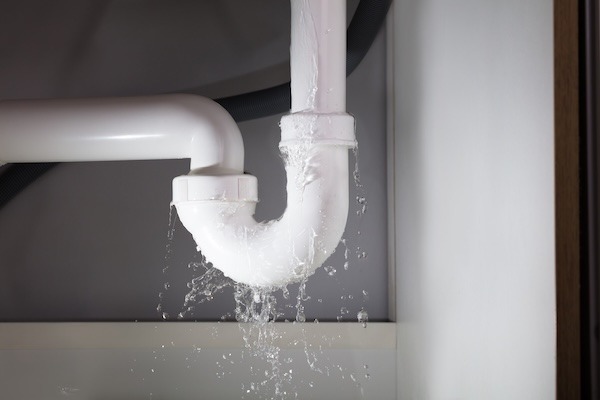
Plumbing: One common discovery is an improperly tightened P-Trap under bathroom sinks. Over-tightening leads to just as many leaks as loose fittings.
-
Drainage and grading: Drainage and grading issues around the foundation are almost universal because landscapers plant the plants, build the beds, and lay the sod.
None of these mean the house is “bad.” They mean it’s unfinished in the quiet, invisible ways that matter most over time. Getting them corrected before you close will make your new house a new home you can rely on for years to come.
 The value of that new home inspection
Perhaps the most important reason inspections matter is warranty leverage. It’s much easier to get things corrected before closing—or immediately after—while the builder is still on the hook and motivated to wrap up the project cleanly. Waiting until something fails six months later can turn a simple fix into a frustrating back-and-forth. Think of a home inspection on a new build as quality control, not criticism. It’s not about pointing fingers—it’s about protecting what is likely the largest purchase you’ll ever make. Brand-new doesn’t mean flawless. It just means no one’s lived with the problems yet.
And that brings us back to underwear. That “Inspected by No. 5” sticker is assurance that someone other than the person who made it looked at it once it was done. This improves quality, increases value, and promises greater comfort.
That’s exactly what a home inspection does.