
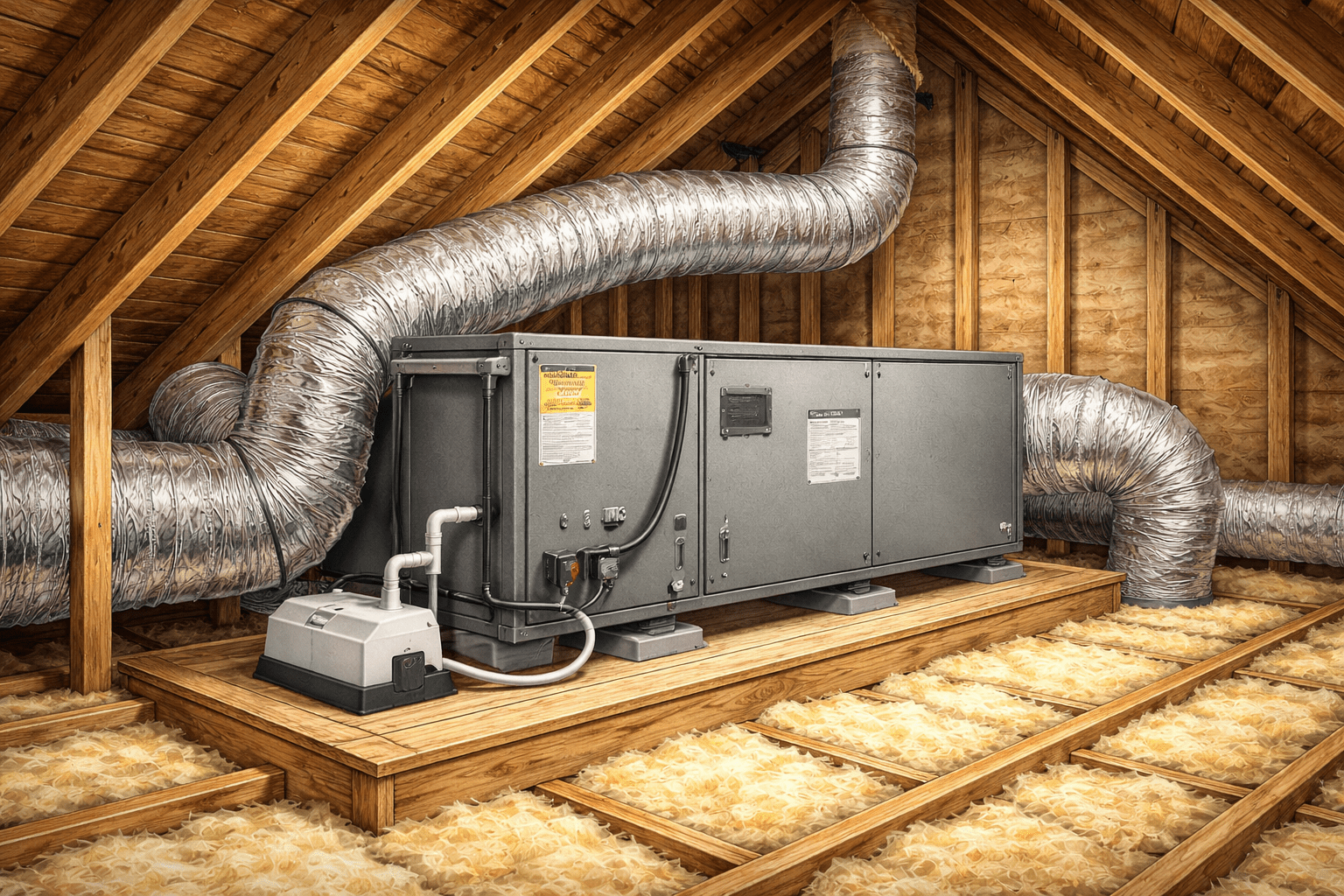
Inspecting Major Systems
The major systems of a home tend to inspire the most anxiety, largely because they’re expensive, interconnected, and mostly invisible until something goes wrong. Plumbing, HVAC, and electrical systems do the quiet work of making a house livable. According to InterNACHI Standards of Practice, inspectors evaluate these systems for basic operation, visible defects, and safety concerns—not for future performance or remaining lifespan. The emphasis, as always, is on observation, not prediction.
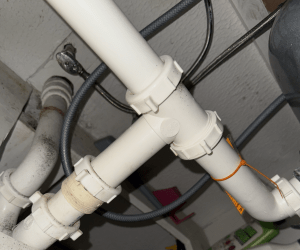 Plumbing inspections begin with supply and distribution. Inspectors run fixtures to confirm water pressure, flow, and drainage, watching for leaks at visible joints, under sinks, and around water heaters. Materials matter. Certain older piping types—galvanized steel, polybutylene, or improperly installed PEX—raise flags because of known failure patterns. Drainage issues, slow flow, or improper venting may indicate partial blockages or design deficiencies. Inspectors also look for functional shutoff valves and evidence of past leaks, which often tell a longer story than active drips.
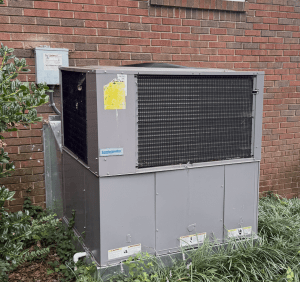 HVAC systems are evaluated under normal operating conditions, provided the weather cooperates. Inspectors determine the system type, energy source, and approximate age, then test heating and cooling functions within safe temperature ranges. Common deficiencies include dirty coils, missing or damaged condensate drains, improper clearances, and compromised ductwork. Venting and combustion air are especially important for gas-fired systems, where backdrafting or improper exhaust can pose safety risks. A system that turns on and responds appropriately has passed inspection standards, even if it’s nearing the end of its service life.
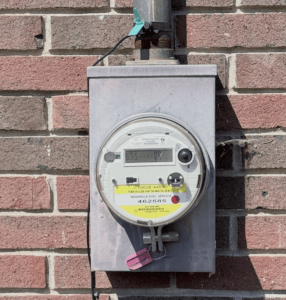 Electrical systems are often the most misunderstood. Inspectors examine service size, panel condition, visible wiring, and a representative number of outlets and fixtures. Double-tapped breakers, aluminum branch wiring, missing bonding, or improperly grounded systems are frequent findings. Older panels with known safety issues may be noted even if functioning normally. The goal isn’t to bring the system up to modern code, but to identify conditions that pose a shock, fire, or operational hazard.
Major Systems Are the Backbone of Your Inspection
Taken together, these systems form the functional backbone of the house. An inspection doesn’t guarantee perfection or longevity. It provides a clear-eyed assessment of how these systems are operating today, where concerns exist, and when further evaluation is prudent. Understanding that scope tends to replace alarm with clarity—and clarity is usually what buyers are actually looking for.